


Classic Carolina Vinegar Barbecue Sauce
Picture this — it's a warm summer afternoon, smoke is rising from the grill, & the smell of slow-cooked pork is drifting through the entire neighborhood. Your neighbors are peeking over the fence, your family is gathered in the backyard, & everyone is waiting for that first incredible bite. Now imagine taking all of that deliciousness & making it taste even BETTER with just a simple splash of a thin, tangy, perfectly spiced sauce. That is exactly what Classic Carolina Vinegar Barbecue Sauce does, & it has been doing it for hundreds of years across North & South Carolina.
This sauce is not like anything you'll find sitting on a grocery store shelf. It's not thick, it's not overly sweet, & it doesn't try too hard to impress you. Instead, it's bold, honest, & completely Unforgettable in the most simple way possible. It lets the smoky, rich flavor of the meat be the star while quietly making everything taste ten times better in the background.
In this blog post, we're going to cover everything — the History of this legendary sauce, what makes it so unique, a super easy recipe you can try at home, & the best ways to use it. By the end, you'll totally understand why people in the Carolinas are SO passionate about protecting & celebrating this incredible sauce. Let's Get Cooking!

What Exactly Is Carolina Vinegar Barbecue Sauce?
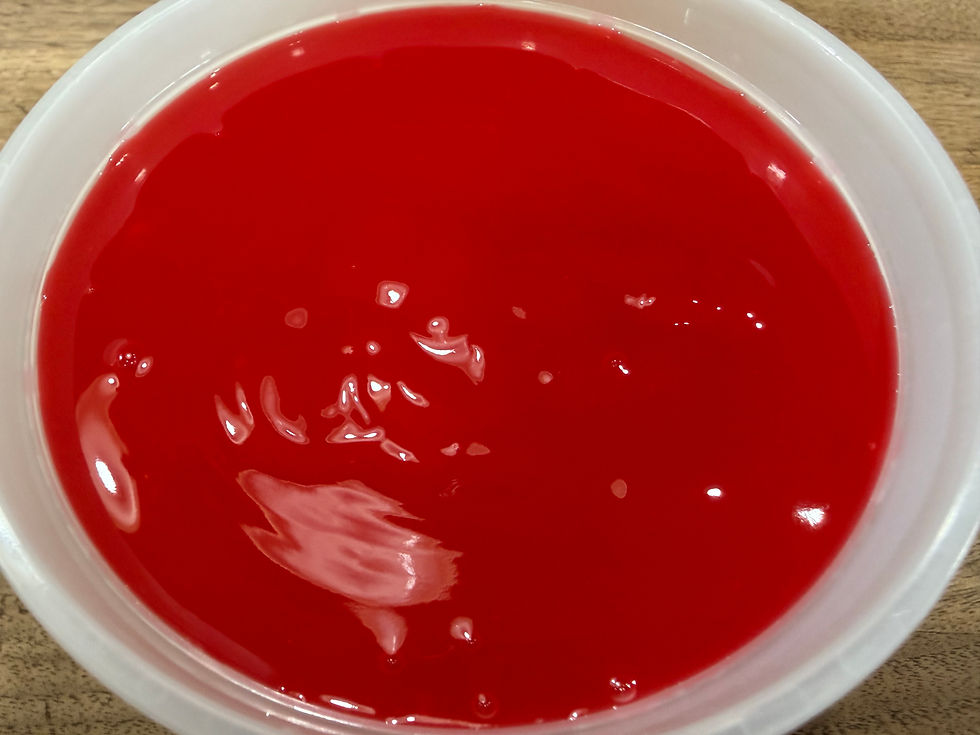
Let's start simple. Carolina Vinegar Barbecue Sauce is a thin, tangy sauce made mostly from vinegar, red pepper flakes, black pepper, salt, & sometimes a tiny bit of sugar. Unlike the thick, tomato-heavy sauces you might see at a backyard cookout in other parts of the country, this sauce is almost as thin as water. It's sharp, bold, & punchy in the best way possible.
There are actually two main styles of Carolina barbecue sauce. The Eastern Carolina style uses straight-up apple cider vinegar & hot peppers with almost no sweetness at all. It's probably the oldest style, & some folks say it's the most "pure" form of barbecue sauce that exists. The Lexington style, also sometimes called "Piedmont style" or Western Carolina style, adds a little bit of ketchup or tomato paste to give it a slight reddish color & a touch of Sweetness.
Both styles are absolutely delicious, & choosing between them is kind of like choosing between two awesome flavors of ice cream — it just depends on what you're in the mood for! The Eastern style is more sour & punchy, while the Western style is a tiny bit milder & has a hint of tomato flavor.
What makes this sauce so special is how it works WITH the meat instead of just sitting on top of it. Because it's so thin, it actually soaks INTO the pork, making every single bite super flavorful from the inside out. It doesn't cover up the smoky flavor — it actually Makes It Better.
The History Behind the Sauce
Did you know that Carolina Vinegar Barbecue Sauce might be the oldest barbecue sauce in all of America? Seriously! People in North & South Carolina have been using vinegar-based sauces on their pork for HUNDREDS of years, way before ketchup or tomato sauce even became popular ingredients.
Back in the early colonial days, vinegar was one of the easiest things people could make & store. It didn't go bad quickly, it was cheap, & it added a ton of flavor to food. Early cooks figured out that pouring vinegar over slow-cooked pork made the meat taste incredible, & the tradition just stuck around & kept growing from there.
African American pitmasters played a HUGE role in developing the style of barbecue that North & South Carolina are famous for today. They were the true masters of slow-cooking whole hogs over wood & coals for many many hours. Their techniques & flavor combinations became the foundation of what we now call "Carolina Barbecue." It's important to honor & remember that history when we talk about this sauce.
Over time, different communities in the Carolinas developed their own tiny variations of the sauce. Some added more pepper, some added a little sugar, & some mixed in a bit of tomato. But the core idea — vinegar as the BASE, keeping it simple, letting the pork flavor shine — stayed the same across all those different versions.
The Ingredients & Why Each One Matters
Before we jump into the actual steps of making the sauce, let's talk about WHY each ingredient in this recipe was chosen & what job it does in the final flavor. Understanding your ingredients makes you a way better cook, & it also helps you make Smart adjustments if you ever want to customize the sauce to your own taste.
Apple Cider Vinegar brings a slightly fruity, mellow tang that forms half of the flavor base. It's warmer & more complex than plain white vinegar, & it's the ingredient most closely tied to the Traditional Carolina style of barbecue sauce.
White Vinegar is sharper & more straightforward in its acidity. When combined with apple cider vinegar, it sharpens up the whole sauce & gives it that signature bite that makes Carolina Vinegar Sauce so Distinctive & recognizable.
Brown Sugar is used in a small amount — just one tablespoon — but it does a really important job. It softens the sharpness of the two vinegars just enough so the sauce doesn't feel too harsh. It also adds a tiny hint of Caramel-like warmth that makes the overall flavor more rounded & pleasant.
Red Pepper Flakes provide a slow-building, lingering heat that spreads throughout the entire sauce as it simmers. They're one of the Most Classic ingredients in any Carolina Vinegar recipe & give the sauce its signature peppery personality.
Black Pepper & Kosher Salt are the workhorses of the recipe. They deepen the overall flavor, bring out the best in the other ingredients, & make sure the sauce tastes Seasoned & complete rather than flat or one-dimensional.
Tabasco Hot Sauce is the secret weapon here. It adds an extra punch of pepper heat along with its own unique vinegary sharpness, making the whole sauce feel more Layered & complex than a basic recipe would suggest.
How to Make Classic Carolina Vinegar Barbecue Sauce at Home
Here's the best news — this recipe is incredibly Simple & takes less than 15 minutes of active cooking time. You don't need any special equipment, any fancy skills, or any hard-to-find ingredients. Let's walk through every step together!
Ingredients you'll need:
1 Cup Apple Cider Vinegar
1 Cup White Vinegar
1 Tablespoon Brown Sugar
1 Tablespoon Red Pepper Flakes
1 Teaspoon Black Pepper
1 Teaspoon Kosher Salt
1 Tablespoon Tabasco Hot Sauce
Step 1: Combine All Ingredients. Grab a small pot & pour in both the apple cider vinegar & the white vinegar. Add in the brown sugar, red pepper flakes, black pepper, kosher salt, & Tabasco Hot Sauce. Give everything a quick stir so all the ingredients start coming together before you even turn on the heat.
Step 2: Simmer the Sauce. Place your pot on the stove & turn the heat to medium or medium-low. You want the sauce to reach a gentle simmer — not a Rolling boil! Let it simmer for about 10 minutes, stirring occasionally. This simmering step is super important because the heat helps dissolve the sugar & salt completely & allows all the spices to release their full flavor into the vinegar base.

Step 3: Cool It Down. Once your 10 minutes are up, take the pot off the heat & let the sauce cool down to room temperature on its own. Don't rush this part — letting it cool slowly helps the flavors continue to develop even after the heat is off.
Step 4: Transfer & Refrigerate. Once the sauce is fully cooled, pour it into a sealable glass jar or airtight container. Pop it in the refrigerator until you're ready to use it. And here's the most important tip of all — the sauce tastes EVEN BETTER after sitting in the fridge overnight! The flavors deepen, the heat from the pepper flakes intensifies, & the whole sauce becomes more rich & complex. So if you can wait, definitely make it the night before you plan to use it!
Tips & Tricks to Make Your Sauce Even Better
Want to take your Carolina Vinegar Sauce to the Next Level? Here are some helpful tips that even experienced pitmasters use to make their sauce extra special.
Tip #1: Use Good Quality Vinegar. Not all apple cider vinegars are the same. Try to find one that is raw & unfiltered — you'll see it's a little cloudy-looking in the bottle. This type has more natural flavor & makes a noticeably better sauce compared to the clear, processed kind.
Tip #2: Adjust the Heat to Your Liking. The classic recipe is pretty spicy, but you can totally make it milder by reducing the amount of red pepper flakes & cayenne. Or, if you LOVE heat, add even more! This sauce is very flexible, & customizing it to your own taste is totally encouraged.
Tip #3: Make a Big Batch. Since there's nothing in this sauce that goes bad quickly, you can make a big jar of it & keep it in the refrigerator for up to a month. It actually gets Better the longer it sits because the flavors keep developing over time. Making a large batch saves you time & always ensures you have it ready to go.
Tip #4: Add a Little Worcestershire Sauce. This is a secret weapon that some Carolina pitmasters use. Just a small splash of Worcestershire sauce adds a deep, savory flavor that makes the whole sauce taste more complex & Interesting. Try it and see what you think!
The Best Ways to Use Carolina Vinegar Sauce
Okay so now you've made your sauce — what do you do with it? The Most Classic & traditional way to use Carolina Vinegar Sauce is on pulled pork. After you've slow-cooked or smoked a pork shoulder for hours until it's fall-apart tender, you shred it up & douse it generously with this sauce. The vinegar cuts through the richness of the fatty pork in a way that is just absolutely Perfect.
But don't stop there! This sauce is also incredible on Smoked Chicken. Just brush it on the chicken during the last few minutes of cooking, & it adds this bright, tangy flavor that makes the chicken taste super juicy & fresh. Some people even use it as a marinade by soaking chicken pieces in the sauce for several hours before cooking — & let me tell you, the Results are amazing.
You can also use it as a Dipping Sauce for grilled vegetables, or drizzle it over coleslaw to give your slaw a tangy kick. Some adventurous cooks even use it on grilled fish or shrimp! The light, sharp flavor of the vinegar pairs wonderfully with Seafood without making it taste too heavy or overwhelming.
Another Fun idea — use it on your barbecue sandwiches. Pile up some pulled pork on a soft bun, add a big scoop of creamy coleslaw, & then drizzle that gorgeous vinegar sauce all over the top. Some restaurants in North Carolina have been serving sandwiches exactly like this for over 100 years, & it's a combination that just never gets old.
Conclusion: Why This Sauce Deserves a Spot in Your Kitchen Forever
So there you have it — everything you need to know about Classic Carolina Vinegar Barbecue Sauce. From its ancient roots in colonial America & the traditions of African American pitmasters, to the simple recipe you can make at home in under five minutes, this sauce has proven itself time & time again as one of the greatest flavors that American barbecue culture has ever produced.
What makes it truly special isn't just the taste — it's the Story behind it. Every time you make this sauce, you're connecting to hundreds of years of tradition, community, & love for good food. That's a pretty powerful thing for something made from just vinegar & pepper!
So here's your challenge — go make a batch this weekend. Invite some friends or family over, smoke up some pork or chicken, & share this incredible sauce with the people you love. Take a photo & share it on social media to spread the Carolina Vinegar love far and Wide. Once you try it, we're pretty confident you'll never go back to that sugary store-bought stuff again. Welcome to the World of real, authentic, soul-satisfying Carolina Barbecue — you're going to love it here...Just Keep Cooking!
CLASSIC CAROLINA VINEGAR BARBECUE SAUCE


Comments