


Prime Rib
Have you ever smelled something so AMAZING that it made your stomach growl immediately? That's exactly what happens when prime rib is cooking! This incredible piece of meat fills your whole house with the most wonderful smell, & everyone knows something special is about to happen. Prime rib isn't just dinner - it's like having a celebration on your plate. When families gather for Christmas, New Year's, or other big events, prime rib often takes center stage as the star of the show.
But here's the thing - lots of people think prime rib is too fancy or too hard to make at home. They see it on restaurant menus with those high prices & think it must be impossible to cook. That's totally WRONG! Yes, prime rib is special, but it's actually one of the easier roasts to make once you know the secrets. The hardest part is probably just deciding to try it for the first time.
What makes prime rib different from other cuts of beef? Why do people get so excited about it? How can you make one at home that tastes just as good as (or even better than) what you'd get at an expensive steakhouse? These are all great questions, & we're going to answer every single one of them today. We'll talk about where prime rib comes from on the cow, how to pick the perfect piece at the store, the step-by-step cooking process that guarantees SUCCESS, & how to serve it like a professional chef. Whether you're planning a holiday feast or just want to treat your family to something extra special, this guide will give you all the confidence & knowledge you need to create an unforgettable prime rib dinner...Let's Get Cooking

What Makes Prime Rib So SPECIAL?
Prime rib is like the fancy sports car of the meat world - it's expensive, impressive, & absolutely worth it! This incredible cut comes from the rib section of the cow, specifically from ribs six through twelve. The meat sits right along the cow's back, where the muscles don't work very hard. Because these muscles are lazy & don't do much work, the meat stays super tender & develops beautiful marbling.
When we talk about marbling, we mean those white streaks of fat that run through the meat like tiny rivers. These fat streaks are what make prime rib taste so RICH & juicy. As the meat cooks, the fat melts & spreads flavor throughout every single bite. It's like having butter mixed right into your meat! The marbling also helps keep the meat moist during cooking, which is why prime rib rarely turns out dry when cooked properly.
You might be wondering why it's called "prime" rib. Here's something interesting - not all prime rib is actually graded as "prime" by the government! The name comes from the fact that this cut comes from the "primal" rib section of the cow. However, the best prime rib you can buy is indeed graded as prime, which means it has the most marbling & will taste the most amazing. There are also choice & select grades, which are still delicious but have less marbling. Think of it like getting a gold, silver, or bronze medal - they're all good, but gold is the BEST!
Choosing the Perfect Prime Rib at the Store
Walking into a butcher shop or grocery store to buy prime rib can feel scary, especially when you see the price tags! But don't worry - with the right knowledge, you can pick out an amazing piece of meat that will make your dinner unforgettable. The first thing you need to decide is how much meat you need. A good rule is to buy about one pound per person if you want leftovers, or about half a pound per person if you're serving lots of side dishes.
When you're looking at different prime rib roasts, pay attention to the color & marbling. The meat should be bright red, not dark or brownish. Look for lots of white marbling throughout the meat - remember, more fat equals more flavor! The fat cap on the outside should be creamy white, not yellow or gray. If the meat looks slimy or smells funny, walk away & find a different piece.

You also need to decide between bone-in & boneless prime rib. Bone-in prime rib looks more impressive & the bones help protect the meat during cooking, making it extra juicy. However, boneless prime rib is easier to slice & serve. Both taste AMAZING, so it really comes down to what you prefer. If you're cooking for a big group, bone-in might be the way to go because it looks so fancy when you bring it to the table. Don't be afraid to ask the butcher for help - they know their meat & can help you pick the perfect roast for your needs. Most butchers are happy to share their knowledge & might even give you some cooking tips!
The SECRET Chef Method for Cooking Prime Rib Perfectly
Here's the AMAZING cooking method that professional chefs use to create the most perfect prime rib every single time! This technique might seem different from what you've heard before, but trust me - it works like magic. The secret is all about timing, temperature control, & creating that beautiful crust at just the right moment.
Start your prime rib journey by seasoning it generously with salt & pepper all over every single surface. Don't be shy - use more than you think you need! Place your seasoned roast on a rack on top of a cookie sheet & put it in the refrigerator WITHOUT covering it. This is called "dry aging" & it's what makes restaurant prime rib taste so INCREDIBLE. You can leave it like this for just a few hours if you're in a hurry, but the real magic happens when you let it sit for 48 to 72 hours. During this time, the salt draws out moisture, then the meat reabsorbs it along with all that salty flavor, making every bite more delicious.

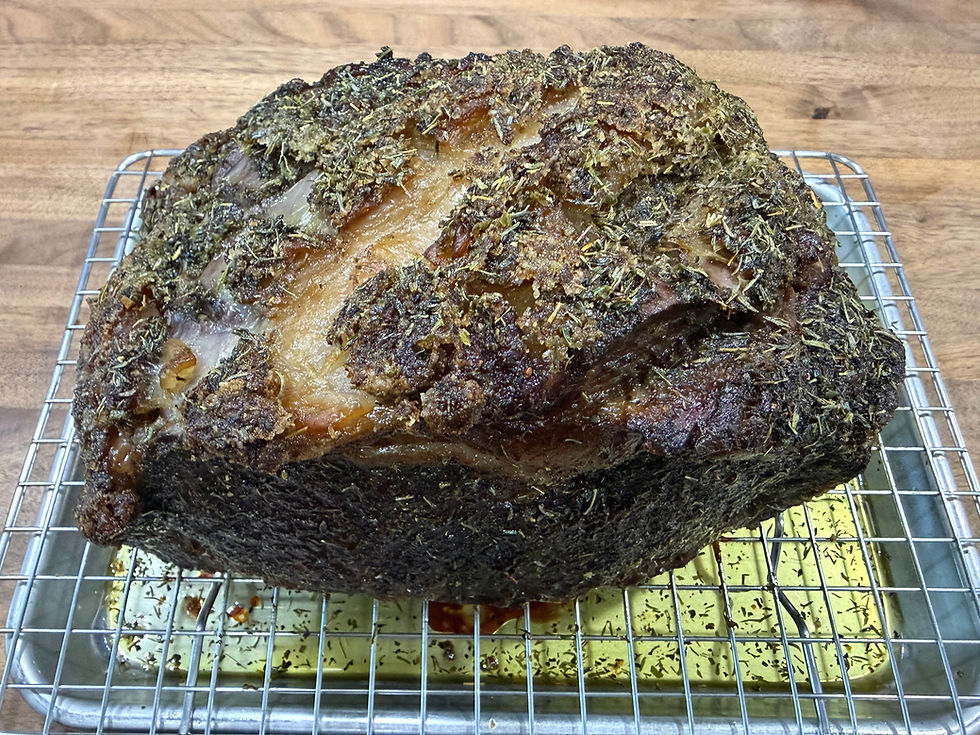
When you're ready to cook, preheat your oven to a low 250 degrees. This might seem really low, but low & slow is the key to perfect prime rib! Take your roast out of the fridge & brush it all over with clarified butter or a mixture of butter & olive oil. Then rub some Herbs de Provence all over the surface - this gives it that fancy French restaurant flavor. Place it back on the rack & cookie sheet, or if you don't have a rack, put some chopped celery, carrots, & onions in the bottom of a roasting pan & place your prime rib on top of those vegetables.

Now comes the patient part - cook your roast at 250 degrees until it reaches an internal temperature of 120 degrees for rare to medium-rare. This usually takes about 3 & a half hours, but every roast is different, so use a meat thermometer to be sure! Once it hits 120 degrees, take it out & tent it loosely with aluminum foil. Let it rest in a warm spot in your kitchen for at least 45 minutes, & you can even let it rest for up to 90 minutes. During this time, the juices spread throughout the meat, making it incredibly tender & juicy.
The FINAL Touch That Makes All the Difference
Here's where the magic really happens! While your prime rib is resting, preheat your oven to the highest temperature it can go - usually 500 to 550 degrees. This super high heat is going to create the most AMAZING crispy crust you've ever seen. After your roast has rested for at least 45 minutes, it's time for the final step that separates good prime rib from absolutely incredible prime rib.
Cover your rested roast with butter - yes, you heard that right, cover it with butter! Professional chefs do this because the butter helps create an even more beautiful golden crust & adds extra richness to every bite. The butter should melt & coat the entire surface of your roast. Then put it back in that super hot oven for 10 to 15 minutes maximum. Watch it carefully because things happen fast at this high temperature!
What you're doing is creating the perfect contrast - the inside stays perfectly cooked & juicy from the low, slow cooking, while the outside gets this incredible crispy, golden crust from the high heat finish. It's like getting the best of both worlds! When you take it out after those 10 to 15 minutes, your prime rib is ready to slice & serve immediately. You don't need to let it rest again because all that resting happened earlier. The result is prime rib that's perfectly cooked throughout with a crust that will make everyone at your table say "WOW!"

Serving & Enjoying Your MASTERPIECE
After all your hard work cooking the perfect prime rib using this professional method, you want to make sure you serve it right! The way you slice & present your roast can make the difference between a good meal & an INCREDIBLE dining experience. First, make sure you have a sharp carving knife - a dull knife will tear the meat instead of slicing it cleanly. Cut against the grain in slices that are about half an inch thick. Cutting against the grain makes the meat easier to chew & more tender.
Prime rib is amazing on its own, but the right side dishes & sauces can make it even better! Traditional sides include creamy mashed potatoes, roasted vegetables like carrots & Brussels sprouts, & Yorkshire pudding. The rich, beefy flavor of prime rib pairs perfectly with horseradish sauce, which adds a spicy kick that cuts through the richness. You can buy horseradish sauce at the store or make your own by mixing prepared horseradish with sour cream & a little lemon juice.

Don't forget about the au jus! This is the fancy French name for the delicious juices that come from cooking the meat. After you take your prime rib out of the roasting pan, pour the drippings into a small saucepan. You can strain out any bits if you want it smooth, or leave them in for more flavor. Heat it up & serve it alongside the sliced meat for dipping. Some people like to add a splash of red wine or beef broth to make more au jus if there isn't enough from the roast alone. The combination of tender prime rib, spicy horseradish, & savory au jus is absolutely DIVINE!
Wrapping Up Your Prime Rib Journey
Congratulations! You now know the professional chef's secret method for creating the most amazing prime rib that will have everyone talking for years to come. Remember, the key to success is planning ahead with that dry aging process, cooking low & slow, letting it rest properly, & finishing with that high-heat crust. This method might take a little longer than other recipes, but the results are absolutely worth every minute of waiting.
Prime rib cooked this way isn't just food - it's an EXPERIENCE that creates lasting memories. The combination of the perfectly tender interior & crispy exterior will make people think you went to culinary school! Yes, it costs more than regular beef & takes some planning, but think about it as an investment in creating something truly special. The smiles on your family's faces when you bring out that beautiful, perfectly cooked roast will be worth every penny you spent & every minute you waited.
Now it's time to put your new chef-level knowledge to work! Start planning your prime rib dinner at least three days ahead so you can do that amazing dry aging process. Decide who you want to invite, what sides you'll serve, & mark your calendar for when you'll go shopping for your roast. Don't wait for a special occasion to try this incredible cooking method - sometimes the best memories come from ordinary days made extraordinary by exceptional food. So go ahead, be brave, & create your own prime rib MASTERPIECE using this professional technique. Your taste buds (& your dinner guests) will think you're a world-class chef...Just Keep Cooking!
PRIME RIB


Comments